What Do You Really Want ?
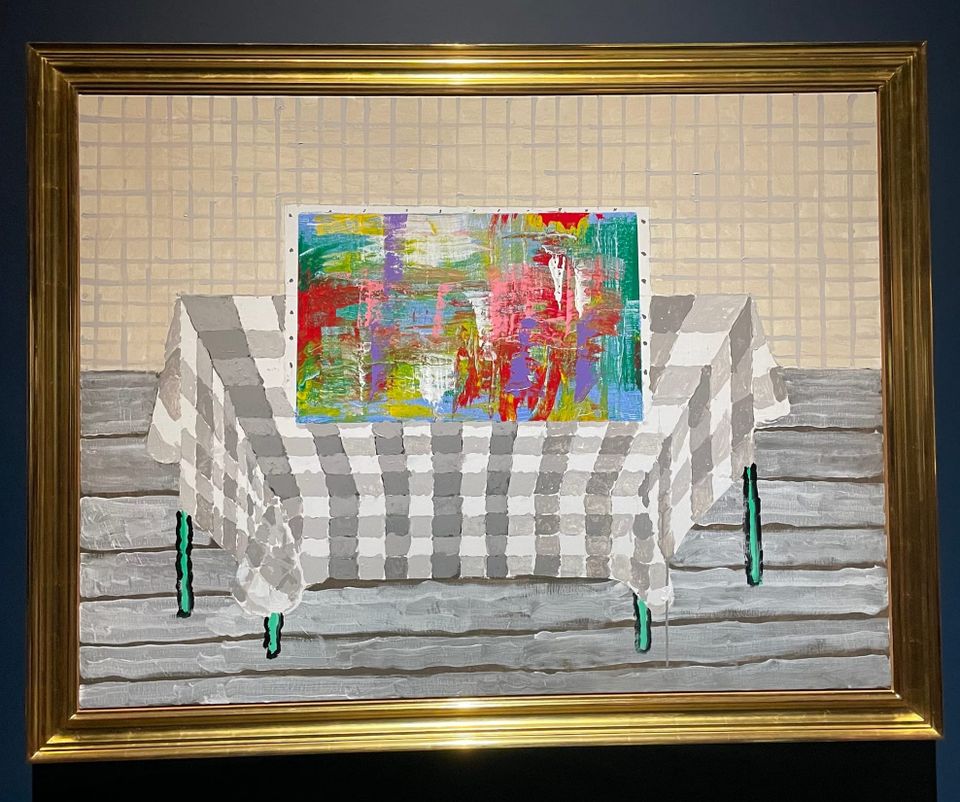
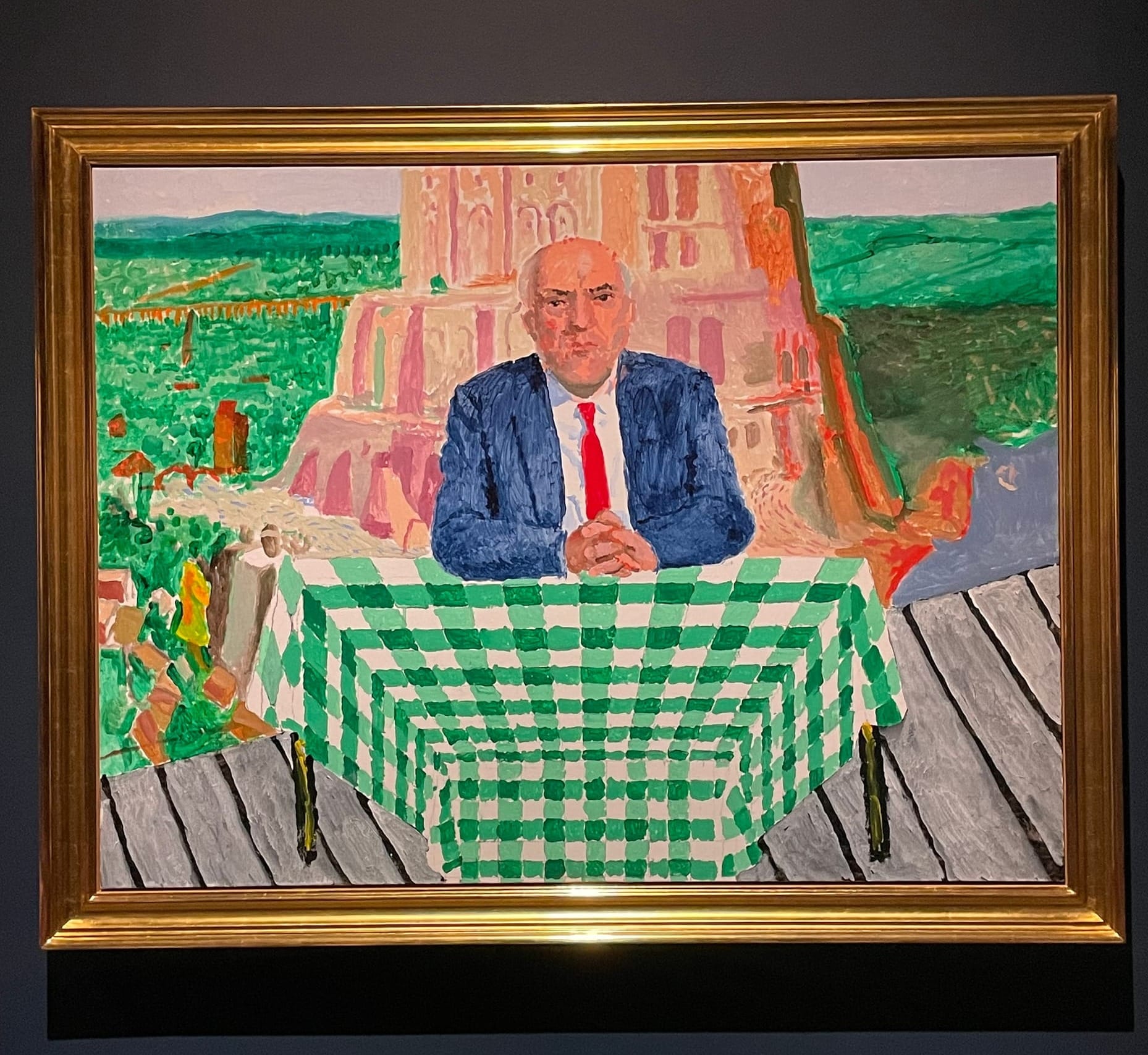
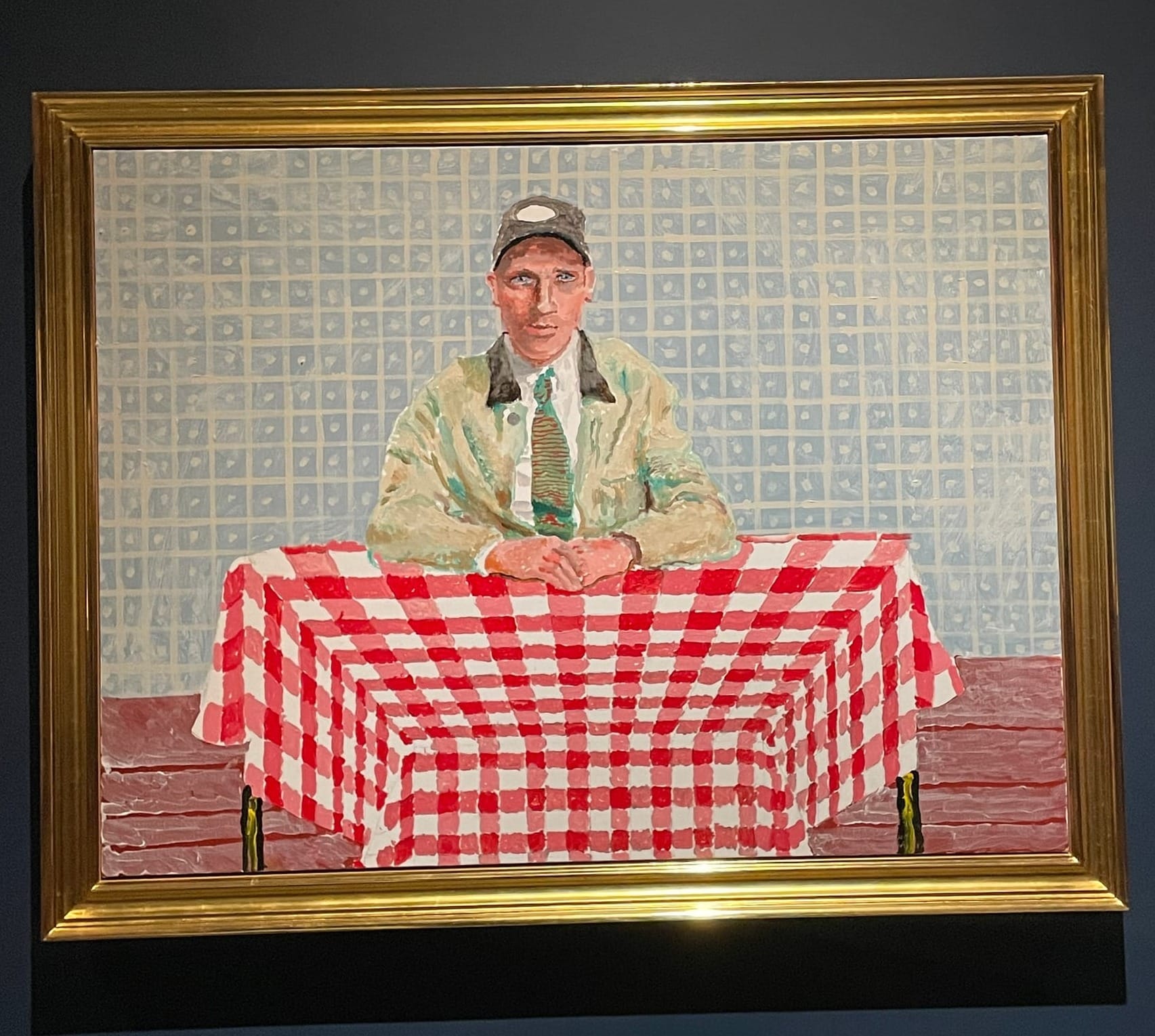
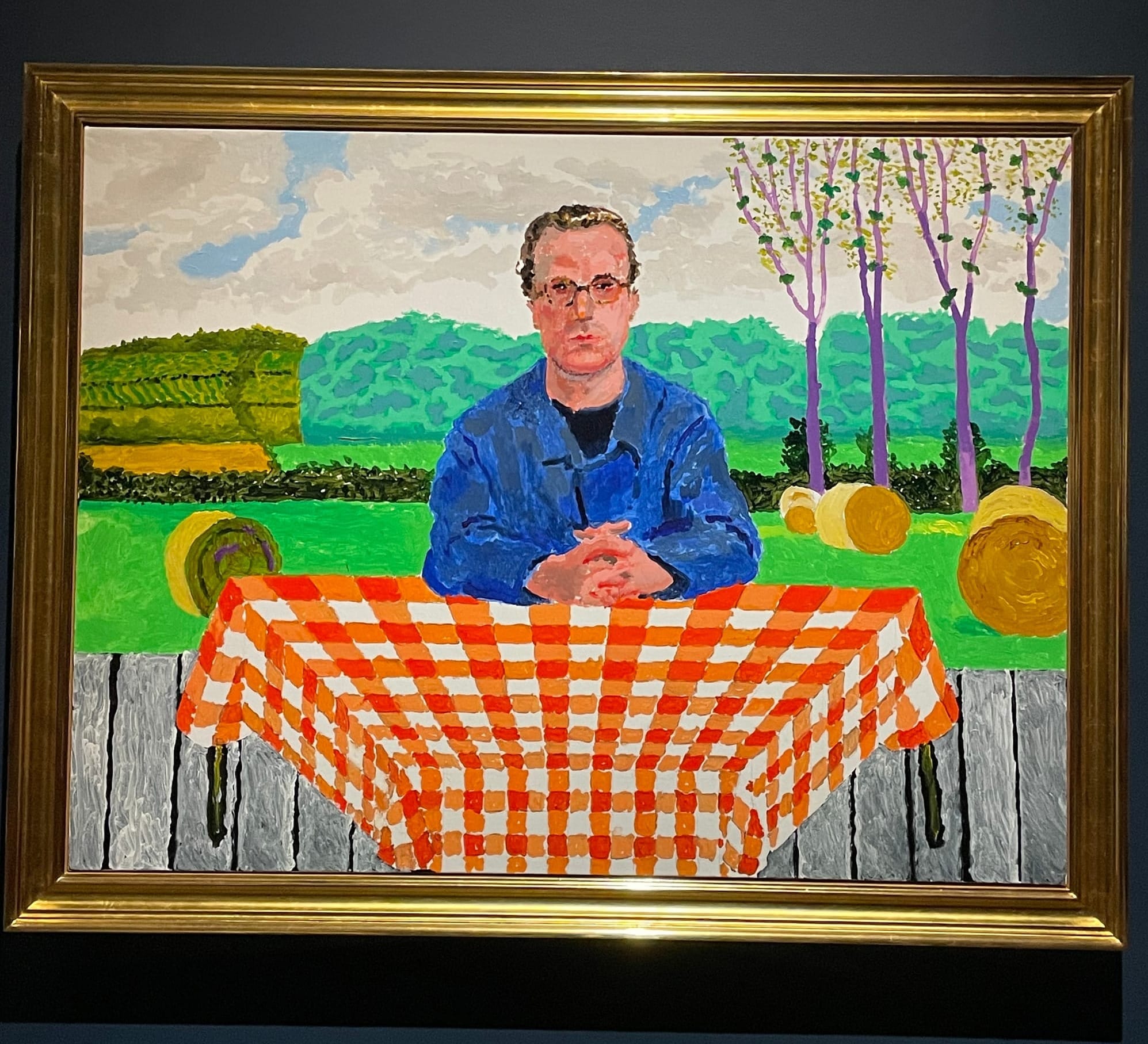
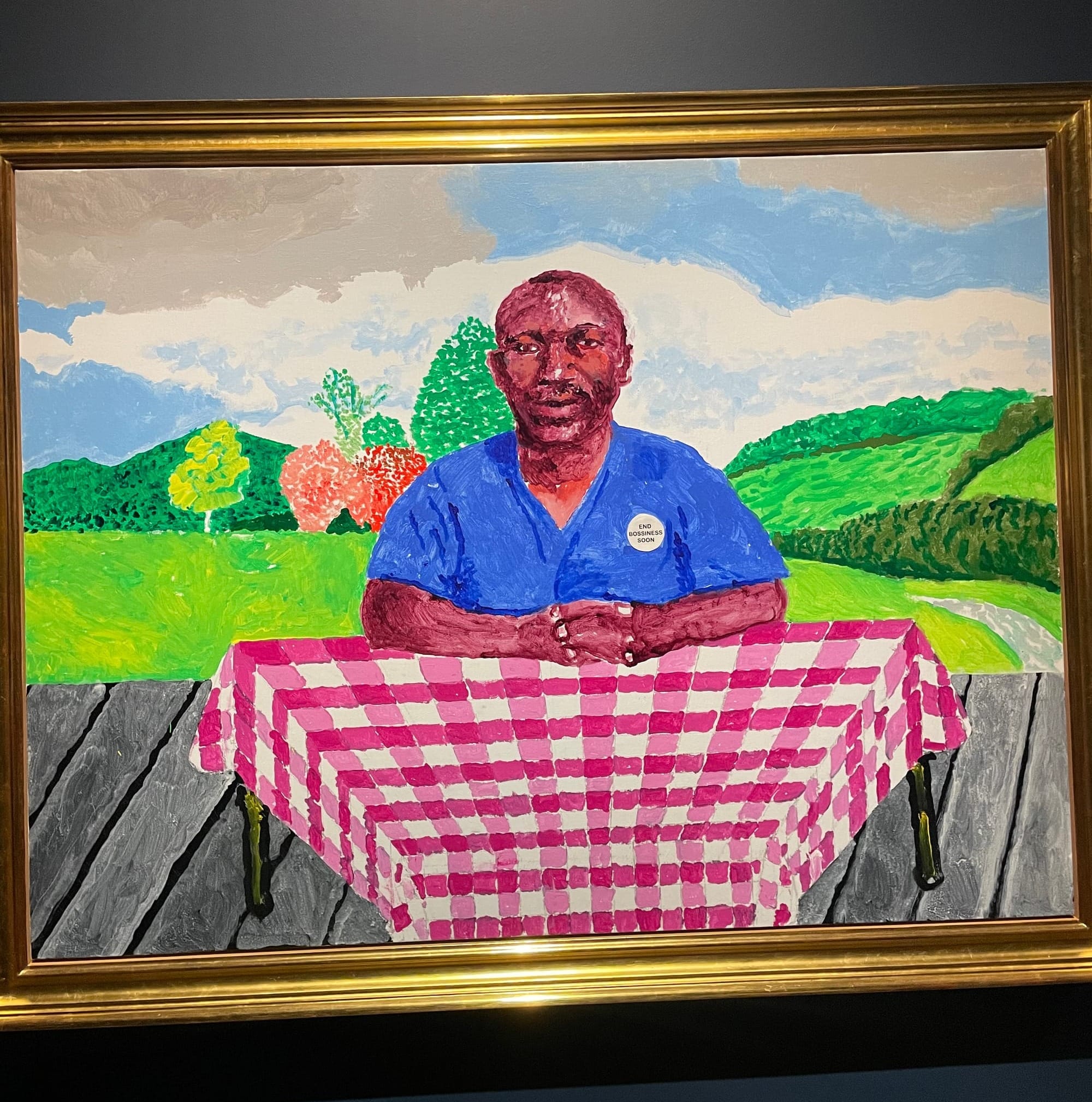
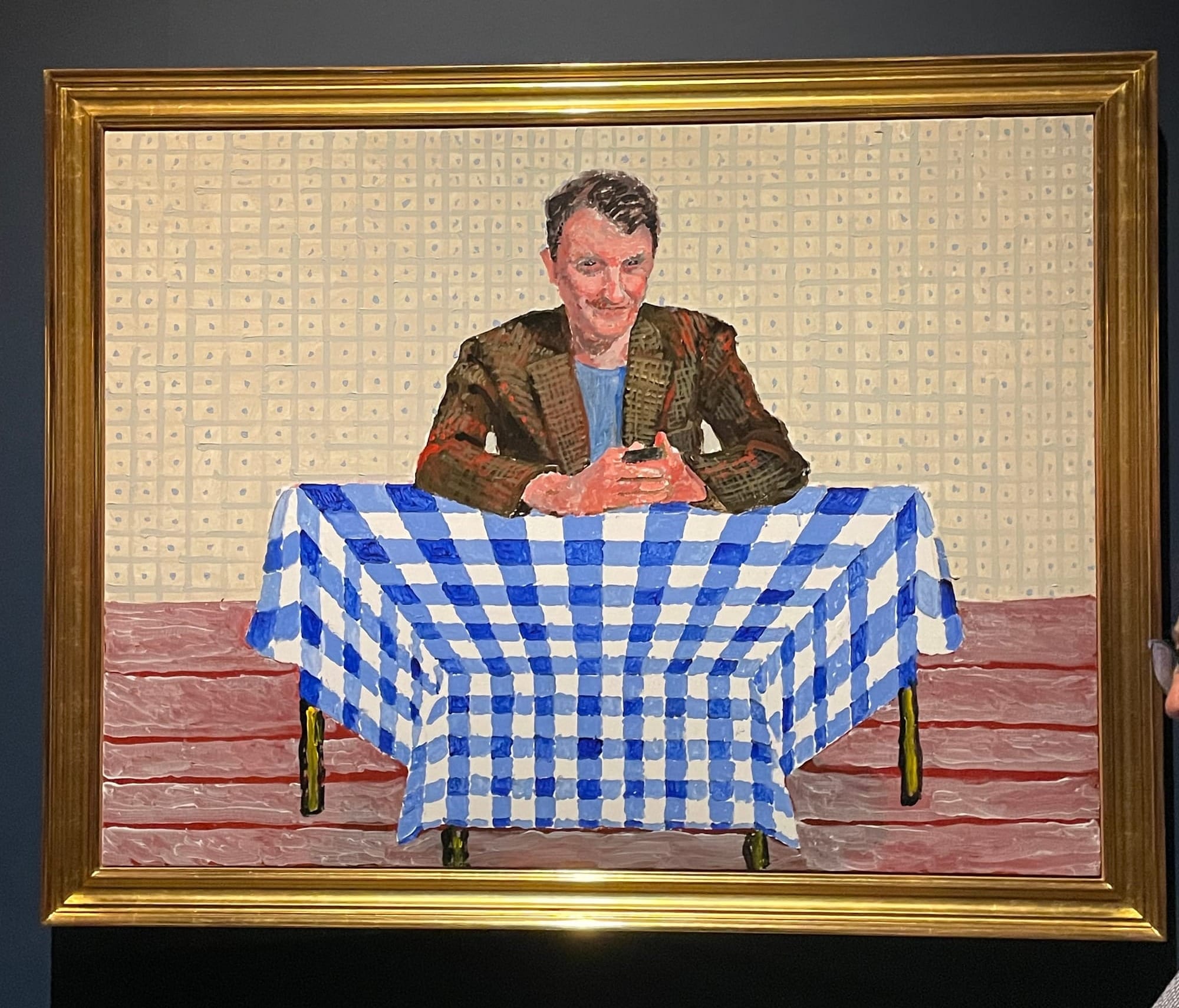
Looking at these portraits by David Hockney reminded me of something I had read about emptiness as a problem of the twentieth century. People often had trouble knowing what they wanted and, more fundamentally, what they felt. They could describe the life they were expected to lead, but were less certain of their own place within it.
What is the problem of our time? Rollo May’s question still seems relevant in the twenty-first century. We have aspirations and ambitions. We want careers, relationships, new experiences and a sense of purpose. Yet it is worth asking how many of these goals come from our own desires, and how many come from what society, the public or our close circle expects of us.
This is difficult to judge because expectations do not always feel like pressure. A family might encourage a career because they want security for someone they love. Friends might admire a particular kind of life. Seeing that life celebrated again and again can make it seem like a natural goal. A person may work hard towards it without ever stopping to ask whether the work itself, or the life around it, is what they want.
May also wrote about the need to be included. An invitation to a gathering can feel important even when someone has no real wish to go. Being asked tells them that they have been remembered and that they belong. There is nothing strange about wanting that reassurance. But it raises a question: are they seeking the pleasure of being with others, or relief from the fear of being left out?
The same question can be asked of many ambitions. Does someone want a particular job, or the respect that comes with its title? Do they want to move, or do they feel they ought to have moved on by now? Do they want a relationship with this person, or the certainty of being wanted? These motives can exist together. The point is to notice them, because a goal may feel quite different once the approval attached to it is set aside.
Hockney’s portraits do not tell us what their sitters want. Each person is there before us, close enough for us to study their face and gestures, yet their thoughts remain their own. Looking at them brings me back to the distance between how a life appears and how it feels to the person living it.
Perhaps that distance is where May’s idea of emptiness remains most useful. A person can have plans, people around them and a full calendar, while feeling unsure which parts of that life matter to them. The questions are simple, even if the answers take time: What do you really want? What do you really feel? Can you name it?